
Guest post - Thinking Outside the Box
Building a Green Workforce: Renewable Energy Qualifications and Green Skills Development in Kenya
Kenya ist establishing itself as a leading hub for climate and environmental technologies, leveraging its rich natural resources and varied ecosystems to promote sustainable development. Central to this transformation is a dynamic education and training system that equips learners with climate-relevant skills through formal qualifications, vocational programs, certifications, and targeted short courses. This article by Aurelia Starringer (bbw Group) and David Yator (freelancer) provied an in depth, case-based glipmse into Kenya`s qualification strucutres, highlighting how internanational pathways can cultivate green competencies and contribute to global climate goals.
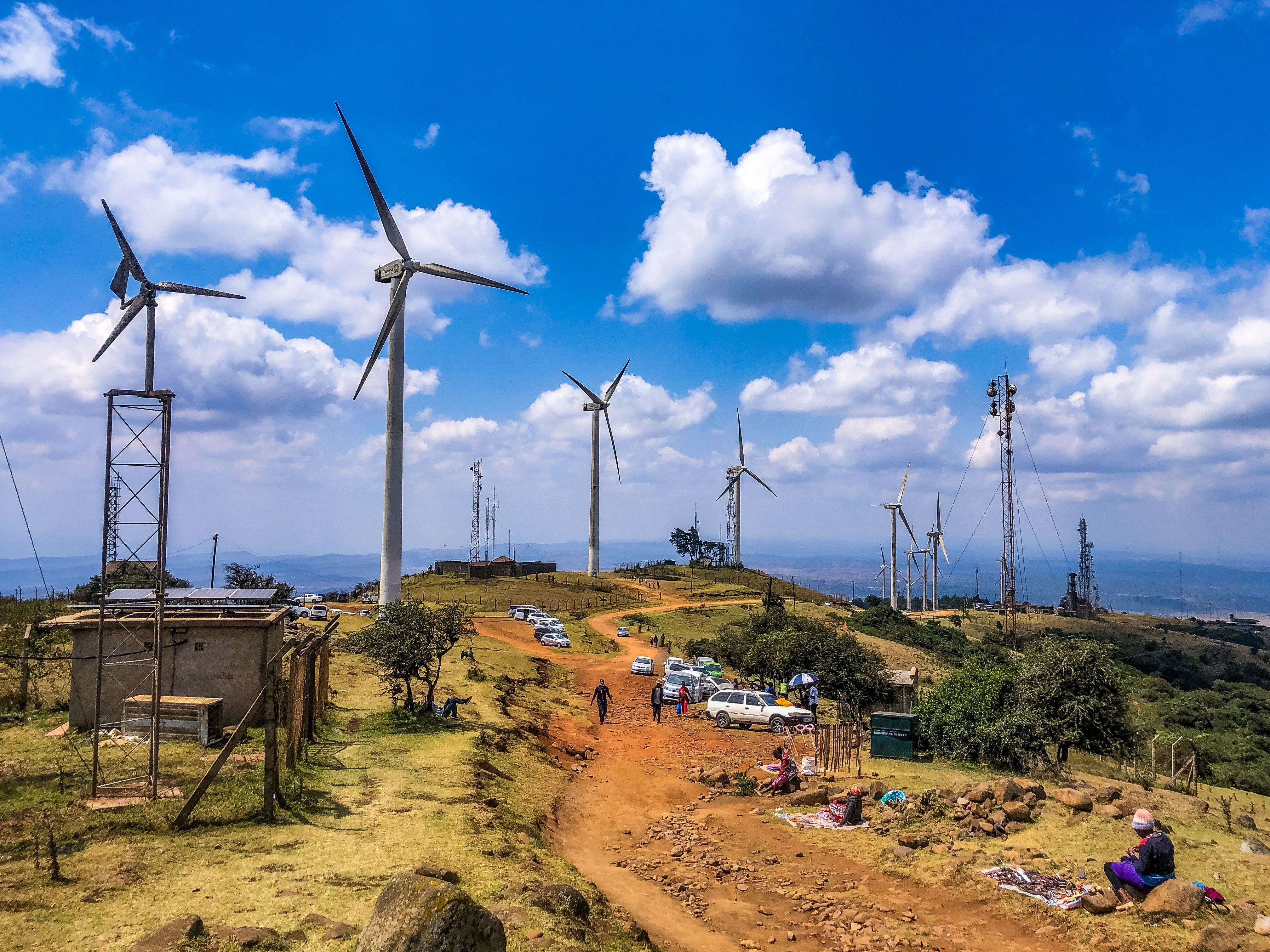
Kenya ist establishing itself as an increasingly important leader in the field of climate and environmental technologies. The country has recognized the urgency of finding sustainable solutions to combat climate change and is making significant investments in expanding education and qualification opportunities. These range from academic programs at universities to practical vocational training, certifications and international credentials that prepare professionals in renewable energy, environmentally friendly technologies, and climate adaption.
The international deparment of the bbw has been addressing thy dynamic with project and train-the-trainer programs in Kenya. Together with selected technical training institutions, training workshops are being modernized and expanded, while teachers receive targeted methodological and didactic training. These measures enable trainers to align vocational education more closely with practical and actionoriented approaches. By strengthening sustainability in international vocational education and fostering close cooperation with the local private sector, bbw`s activities ensure that training programs are aligned with real market needs. In addition to impoved job prospect within Kenya, students benefit from greater alignment with international standards and requirements. This also makes graduates excellent candidates for bbw`s skilled migration program to Germany, which bbw offers as a comprehensive service to German companies.
A Comprehensive Education System for the Green Transition
A crucial component of KEnya`s green transformation is the develompent of an education and qualification system that prepares the workforce for the challenges and opportunities of the green economy. The Technical and Vocational Education and Training (TVET) sector plays a central role in this effort. Institutions like the Kenya Industial Training Institute (KITI) and the National Renewable Energy Training Institute (NRETI) offers hand-on training in areas such as solar, wind and geothermal energy. These programs enable participants to acquire practical knowledge for the installation, operation and maintenance of renewable energy systems, which is critical for the success of Kenya`s green economy. Furthermore, universities such as the University of Nairobi and Jomo Kenyatta University of Agriculture and Technology have introduced specialied programs in enviornmental science, climate change an renewable energy at both the undergraduate and postgraduate levels. These programs contribute to building a highly qualified academic workforce that drives research and innovation in climate protection and sustainable development.
Qualification pathways in Kenya have increasingly aligned with market demands. In particular, the need for professionals in fields such as photovoltaic systems, wind energy and environmentally friendly cooling technoglogies is growing rapidly. Technological advancements and the introduction of new, more efficient systems require continuous updating and expansion ef educational offerings. TVET institutions have broadened their curricular to incoporate the latest developments in renewable energy and sustainable building technologies.
The Role of International Partnerships and Certifications
International partnerships play a significant role in supporting Kenya`s initiatives. THe activities of bbw support Kenya`s goal for more strongly integrating best practices and global expertise into the training of professionals in the field of green technologies. Therefore, Kenya collaborates with organizations like the International Renwable Energy Agency (IRENA) and the International Energy Agency (IEA). International certifications from programs offered by the International Insitute of Environment and Development (IIED) or the Insitute of Environmental Management and Assesment (IEMA) complement national qualifications, enhancing the global competitiveness of Kenya`s workforce. Additionally, the Ministry of Energy in Kenia works with the Kenya Renewable Energy Association (KEREA) to develop specialized training programs for solar technicians, particularly for remote and rural areas. The growing demand for professionals in renewable energy is expected to further drive the development of training programs and certifications to meet this need.
Practical Training and the Contribution of NGOs
Another key factor is the collaboration with non-gonvernmental organizations (NGOs) and international actors who offer practical training programs in Kenya. Initiatives such as those by Practical Action Kenya, which provide training in micro-hydro systems and solar water heating, ensure that practical solutions are available even in remote regions. These partnerships promotethe develompent of sustainable technologies while simultaneously imparting critical skills for environmental protection and climate change migartion.
Outlook and Further Developments
Given the dynamic growth in the green technology sector, it is expected that the education landscape in Kenya will continue to diversify. There are ongoing efforts to expand training in areas such as sustainable agriculture, water management, and energy efficiency.
This article provides a comprehensive overview of Kenya`s qualification structures and highlights the relevance of these education pathways in fostering a sustainable economy and achieving global climate goals. As the demand for skilled professionals in this secot continues to grow, Kenya`s education institutions are expected to keep adapting and expanding their offerings to meet these needs. Overall, through international collaborations and the continued evolution of training progrmas, Kenya is well-positioned to contribute to global climate efforts while simultaneously fostering a green economy at home.
Contribuation by Aurelia Starringer (bbw) and David Yator (Freelancer), under the editorial supervision of Nora-Marliese Bamberger (f-bb), for the Newsletter 3/2025 of the IQ Competence Centre for Advice and Job Training.
Transparency note: The Research Institute for Vocational Education and Training (f-bb), as the organization responsible for the IQ Competence Centre for Advice and Job Training (FSAQ), is also part of the bbw Group.
References
University of Nairobi (UoN) official site
Kenyatta University (KU) course catalog
JKUAT's academic offerings
Kenya Technical Trainers College (KTTC) course information
Institute of Environmental Management and Assessment (IEMA)
Kenya Association of Environmental Professionals (KAEP)
East African Science and Technology Commission (EASTECO)
Odhengo., Peter, Korir, H., Muthini, D., Mazza, F., Caenegem, H. V., Balm, A., Mwangi, C., Mwithiga, L., Njoroge, S., & Wambua, M. (2021). The landscape of Climate Finance in Kenya. https://www.climatepolicyinitiative.org/wp-content/uploads/2021/03/The-Landscape-of-Climate-Finance-in-Kenya.pdf
Abdullah, A., Saraswat, S., & Talib, F. (2023, March 30). Barriers and strategies for sustainable manufacturing implementation in SMEs: A hybrid fuzzy AHP-topics framework. Sustainable Manufacturing and Service Economics. https://www.sciencedirect.com/science/article/pii/S266734442300004X
Olatunde, T., Sikhakhane, Z. Q., Akande, D. O., & Okwandu, A. (2024, April). (PDF) review of Energy-efficient HVAC Technologies for Sustainable Buildings. https://www.researchgate.net/publication/380207442_Review_of_energy-efficient_HVAC_technologies_for_sustainable_buildings
Strathmore to offer grid-tie solar PV training. (2021). http://kerea.org/wp-content/uploads/2021/06/Energy-Digest-2.pdf
Strathmore to offer grid-tie solar PV training. (2021). http://kerea.org/wp-content/uploads/2021/06/Energy-Digest-2.pdf
Kenya National Innovation Agency. (2023). Government intention to set up Startup Fund Noble. https://kenia.go.ke/blog/government-intention-to-set-up-startup-fund-noble